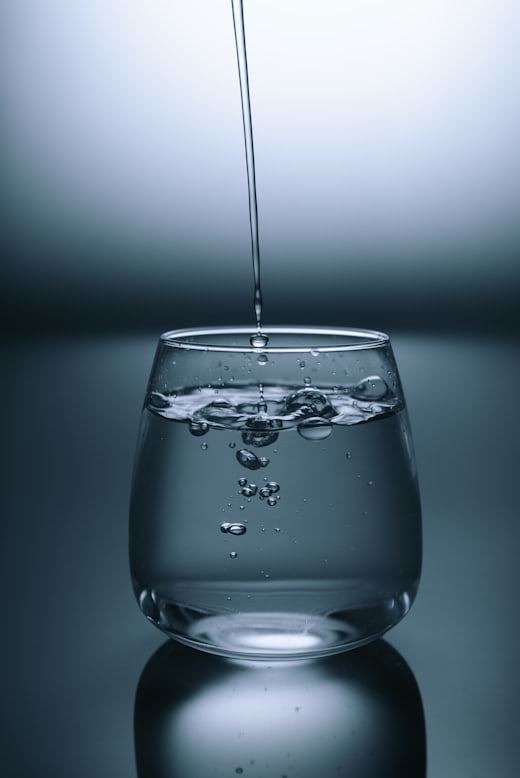
Why Hydration Matters
Water makes up approximately 50–80 % of body weight and is involved in temperature regulation, nutrient transport, joint lubrication and waste removal. Research indicates that even mild dehydration — a loss of 1–2 % of body water — may affect concentration, mood and physical performance.
Adequate Intake Recommendations
The Australian Nutrient Reference Values suggest these adequate intake (AI) levels for total water from all sources:
| Group | Total Water (L/day) | From Beverages (approx.) |
|---|---|---|
| Men 19–70 yrs | 3.4 | ~2.6 L (≈ 10 cups) |
| Women 19–70 yrs | 2.8 | ~2.1 L (≈ 8 cups) |
| Pregnant women | 3.1 | ~2.3 L |
| Breastfeeding women | 3.5 | ~2.6 L |
These are population-level estimates. Individual needs vary with body size, activity level, climate and health status. In hot Australian conditions or during intense exercise, fluid needs may increase substantially.
Hydration During Exercise
Sweat rate varies between individuals and depends on exercise intensity, duration, temperature and humidity. General guidelines:
- Before (2–3 hrs prior): 400–600 mL water. Allows absorption and excretion of any excess.
- During: 150–250 mL every 15–20 min. For sessions over 60 min at high intensity, an electrolyte drink may be appropriate.
- After: Replace 1.25–1.5 L for every 1 kg lost. Weigh yourself before and after to estimate.
Signs of Dehydration
- Dark-coloured urine (aim for pale straw)
- Infrequent urination
- Dry mouth or lips
- Fatigue or light-headedness
- Headache
- Reduced concentration or physical output
Comparing Common Beverages
| Beverage | Hydration Value | Considerations |
|---|---|---|
| Plain water | Optimal | Zero kilojoules; most accessible option |
| Tea / coffee | Good | Up to ~400 mg caffeine/day does not appear to cause significant dehydration |
| Fruit juice | Good | Contains vitamins but high in natural sugars; limit to ~125 mL/day |
| Sports drinks | Situational | Useful for intense exercise > 60 min; unnecessary for daily use |
| Alcohol | Poor | Diuretic effect; drink water alongside |
Practical Tips for Australian Climates
- Carry a reusable bottle throughout the day.
- Start each meal with a glass of water.
- Include water-rich foods: cucumber, watermelon, oranges, lettuce.
- In hot weather, increase intake proactively — don't rely solely on thirst.
- Monitor urine colour as a simple hydration indicator.
- Limit beverages with added sugars.
Disclaimer: This information is for general education. Individuals with kidney disease, heart conditions or other medical concerns should consult their doctor about fluid intake. Over-hydration (hyponatraemia) is also a risk during prolonged endurance events. Balance is key.